


Can You Really Change the World Starting With One Choice?
The world feels broken, but what if the solution isn’t out there—it’s within you? Every thought, every reaction, every choice shapes…


Forest owners at greater risk of illegally cutting trees on their land prefer to join conservation programs that allow sustainable timber harvesting, a new study suggests.
 In tumultuous times, art can and must express the turmoil and help us process what’s going on.
 A new water-based air-conditioning system cools air to as low as 18 degrees Celsius (about 64 degrees Fahrenheit) without using energy-intensive compressors and environmentally harmful chemical refrigerants.
 Recently, National Geographic published an article called “This Tiny Country Feeds the World,” where the author extolled the innovations of a small European country that has managed to become a global powerhouse in agriculture and technology—the Netherlands.
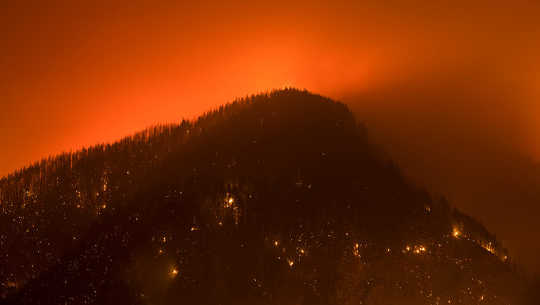 When fires, floods and other major disruptions alter natural areas, our first instinct is to restore what’s lost. But moving forward may mean leaving some treasured things behind.
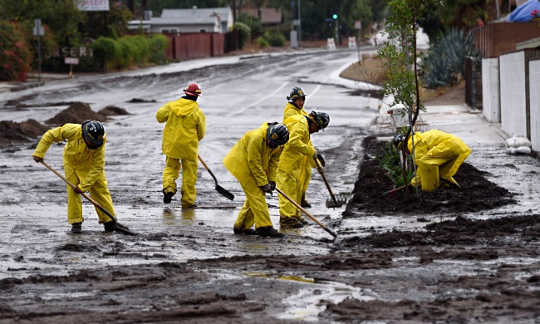
The Trump administration, and its allies in Congress, are fighting a losing war. They continue to press forward for the development of oil, gas, and coal when the rest of the world understands the implication of that folly. Global warming is the most pressing issue for our time.

A program of one of the five largest supermarket chains in South Africa, drove increased adoption of environmental practices at the farm level, a new study of the store’s supply chain indicates.
 Climate change will not affect every place equally. Here’s what seven regions in the bull’s eye are doing about it now.

New research that combines satellite data with on-the-ground measurements, suggests that as global temperatures rise, spring in the Northeastern United States is starting earlier.
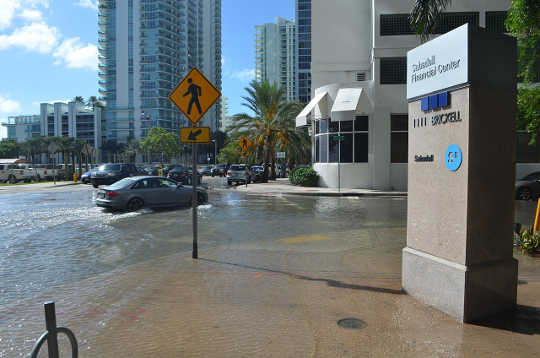 Many scientists have found evidence that climate change is amplifying the impacts of hurricanes. For example, several studies just published in December 2017 conclude that human-induced climate change made rainfall during Hurricane Harvey more intense. But climate change is not the only factor making hurricanes more damaging.
 To maintain our capacity to address climate change, we need to recognize and address the trauma it creates.
 Remember the movie “Moneyball”? The Oakland A’s are struggling, financially and on the baseball field.Then they introduce an innovative system for figuring out which players will improve team performance.
 Humans are probably contributing more methane to the atmosphere through fossil fuel use and extraction than scientists previously believed, report researchers.
 Some aspects of climate change could benefit certain forms of agriculture in the Northeastern United States, new research suggests—though the researchers caution that there are many variables in the future scenario they envision.

Microbes in permafrost that eat sun-weakened carbon and convert it into carbon dioxide may be providing a major pathway for the greenhouse gas to enter the atmosphere, new research suggests.
 Robert Jay Lifton was born 91 years ago. Living through the catastrophes of the 20th century — world war, tyrannical regimes, genocide, the nuclear bomb, terrorism — he grappled with their terrible impact on human beings. His work as a psychiatrist, historian and public intellectual forged his reputation as one of the world’s foremost thinkers.
 Researchers have found at least eight occurrences of iron penetrating the Pacific Ocean, with each occurrence likely associated with global climate change over thousands of years.
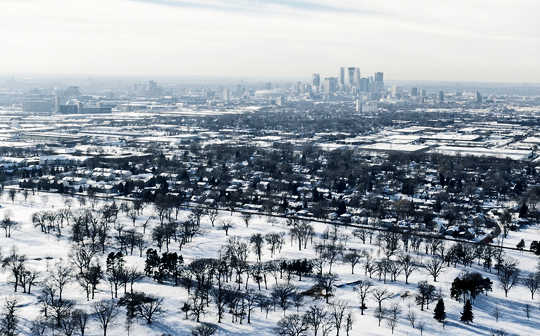 A new study outlines some of the effects that climate change will have on northern cities with cold climates, including in Europe and the North America.
 What we believe and how we act don’t always stack up. Recently, in considering what it means to live in a post-truth world, I had cause to examine my understanding of how the world works and my actions on sustainability.
 Solarpunk imagines a sustainable future, and what it might be like to live in it. Solarpunk’s optimism towards the future is the first concept that needs complicating here.
 One of the largest icebergs ever recorded has just broken away from the Larsen C Ice Shelf in Antarctica.
 In the year 2100, 2 billion people—about one-fifth of the world’s population—could become refugees due to rising ocean levels.
 Using energy stored in the batteries of electric vehicles to power large buildings not only provides electricity for the building, but also increases the lifespan of the vehicle batteries, new research shows.